In the world of Traditional Chinese medicine, the lung is probably the organ whose TCM functions overlap the most with its Western functions. Respiration, the immune system and the skin are all systems heavily influenced by the lung, both in acupuncture and in Western medicine. continue reading »
As an acupuncturist, I am constantly assessing. Before my patients answer a single question, I am taking in cues as to what types of imbalances might be going on. In five-element acupuncture, the five major organ systems are the kidney, liver, lung, heart and spleen. When any of these systems are out of balance, certain physical, mental and emotional issues can manifest. Even if you aren’t experiencing a specific health issue, however, you will likely display particular personality traits that fall within these five organ systems. In the five-element world, the lungs are connected to the element of metal. continue reading »
The season of fall brings cooler weather and shorter days. As with any season, the world adjusts accordingly. Plants begin to go dormant, animals start scrounging for food to help get them through the upcoming winter months and humans start winterizing everything. Sweatpants and hoodies become more commonplace and everything…EVERYTHING is pumpkin flavored.
As fall descends on the land, it reminds us we need to start cutting back on the numerous cooling foods that are consumed during the summer months. Things like raw foods, salads, juices and fruits need to be decreased because they can create too much cold in the body. This is just one principle followed by Traditional Chinese Medicine.
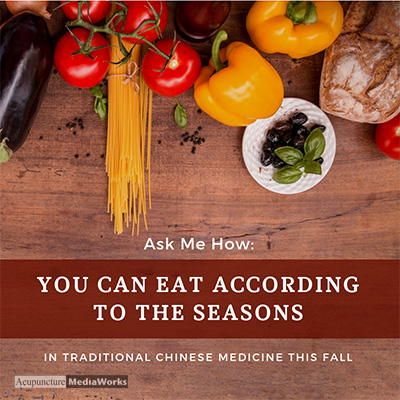
There are many facets to TCM and nutrition is one of the most important. The ancient Chinese observed what took place in nature and followed those cues accordingly. So when the season changed to fall and the amount of daylight decreased and the temperatures cooled, the Chinese began to eat what was available. This is what it means to “eat for the season.” By eating according to the season, we can avoid many illnesses and diseases. If we continue to eat raw, cold foods during the cooler fall and winter months, then we set ourselves up for digestive problems, colds, sinus infections and even painful joints.
When a person eats seasonally, they will inevitably notice certain foods are no longer abundant or available. In the season of fall, one should fill their pantry and cupboards with dried foods, heavy grains, seeds, roots and squashes that can help move the body’s energy or Qi (pronounced “chee”) inward.
Fall is also a time to slow down. This means we should cook food for longer periods of time on lower heat. How we cook food will affect how the body tolerates it and how the energy is utilized. Some examples of how to cook for the season of fall include making soups and stews, using a crockpot or slow cooker, roasting and baking foods. These methods create a deeper warmth and supply greater energy from the food.
Foods that are nourishing to the lung are very important during the season of fall. Since many people get sick during these months, lung tonifying foods can be very beneficial. This includes foods like ginger, onion, garlic, pears, walnuts, miso, navy beans, almonds asparagus, broccoli, apricots, bananas, apples, plums and grapes.
The dryer weather can also cause chapped lips, a dry nose, an itchy throat, rough skin and even dry stools. To counter these issues, it is recommended to eat foods that promote the production of bodily fluids, such as nuts, seeds, pears, pumpkin, honey and a traditional Chinese porridge known as congee.
Animal products tend to be warming and grounding by nature. And for those who eat animal flesh, increasing the intake can be beneficial during the cooler fall months. As mentioned before, roasting, baking or stewing the meats is the most beneficial.
When we follow the cues given to us by nature, we can maintain a very healthy existence.
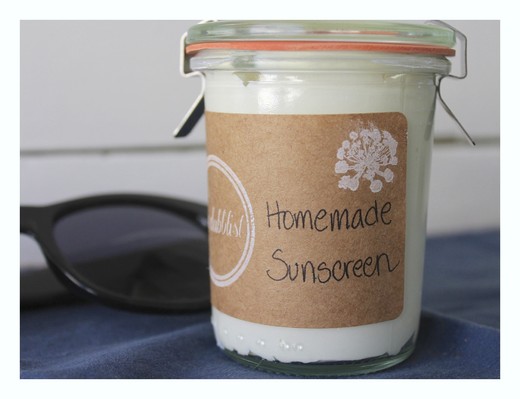
There are pros and cons all over the internet world regarding over the counter Sunscreen and homemade DIY sunscreen. There are several things to consider when deciding whether to make your own sunscreen, here are just a few that come to mind:
You can pronounce the ingredients (and know what they are)
Saves a lot of money
Doesn’t put dangerous chemicals on your skin which may absorb into the body
It does leave a slightly white film
The SPF is lower than the over-the-counter product, so re-apply often.
There are several and easy ways to make effective and natural homemade sunscreen. Here is one quick and relatively easy recipe:
Natural Ingredients:
1 oz. Coconut oil
8 oz. Shea butter
1 oz. Jojoba oil or sunflower oil
30 drops ( 15 of each) Eucalyptus and lavender essential oils
1 oz Vitamin E oil
Zinc oxide
The amount of zinc oxide you choose to use will determine the amount of SPF in your sunscreen. For more than SPF 20, use 20% zinc oxide, for SPF 12-19 use 15% zinc oxide.
Directions: First step is to combine coconut oil, shea butter and jojoba/sesame/sunflower oil into a Pyrex measuring up. Next, make a double boiler by placing the Pyrex inside a pot filled with 2-3 inches of water. Heat on low until the shea butter is melted. Remove from double boiler and let cool. After cooled, wear a mask to cover your nose and mouth when you measure out the zinc oxide to avoid inhaling fine particles. Add the zinc oxide, Vitamin E oil and essential oils to the original mixture. Stir until ingredients are mixed. The last step is to pour the mixture into a dark jar and refrigerate.
Homemade sunscreen can last for around 6 months and should be refrigerated. Apply generously to skin and reapply every few hours while outside during periods of sun exposure.
 In the world of Traditional Chinese medicine, the lung is probably the organ whose TCM functions overlap the most with its Western functions. Respiration, the immune system and the skin are all systems heavily influenced by the lung, both in acupuncture and in Western medicine. continue reading
 The New York Times provided an excellent summary of the study and you can read more