
- Acupuncture Solutions3900 Pebblecreek Ct #101
Plano, TX 75023972-612-4900 - 6501 Wesley St #A-1
Greenville, TX 75402903-213-3679
Acupuncture
It’s That Time of Year Again
Relieve Your Seasonal Allergies with AcupunctureBy: Diane Joswick, L.Ac., MSOM |
|
|
|
ALLERGY CAPITALS
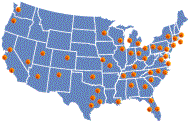 There is no place safe from allergies in America, and some cities are more problematic than others. The Allergy Capitals is an annual research project of the Asthma and Allergy Foundation of America (AAFA) to identify “the 100 most challenging places to live with allergies” during the spring and fall seasons.
Here is the list of the top 100. If you live in the DFW area we are now at #10. The good news is there is an option to the traditional treatments. The acupuncture/acupressure techniques that I use have been getting great results. If you are tired of sneezing, having itchy eyes, or being congested you should give me a call to found out more.
Eastern vs. Western: How the Medical Practices Differ
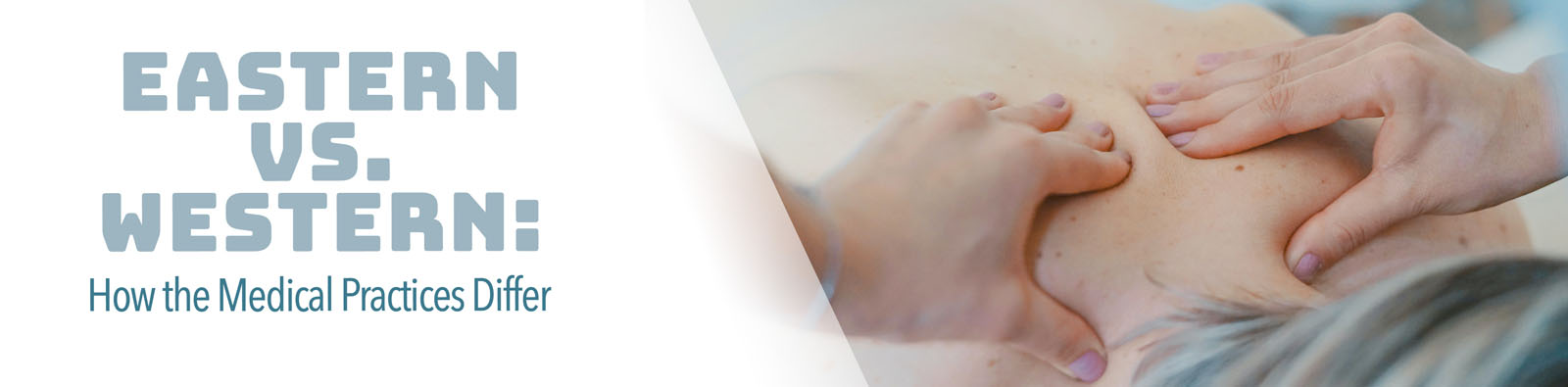
Almost everybody knows there are two very unique ways of treating disease and maintaining health. But not everybody knows how these two methodologies differ from one another. And depending on where you live in the world, there may be one that is more prominent than the other. Both systems have their pros and cons. So let’s differentiate between the two. This is the battle between Eastern and Western medicine. Let’s get ready to rumble! continue reading
What Is Seasonal Affective Disorder?
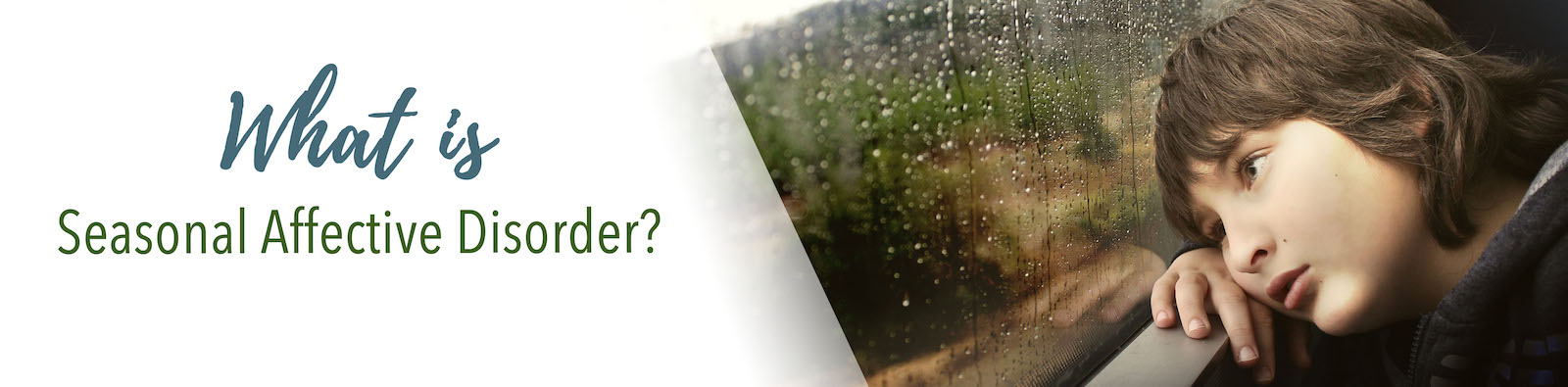
Seasonal Affective Disorder (SAD) is a condition believed to be linked to a lack of sunlight where the individual experiences mood changes and emotions similar to depression. SAD occurs mostly in the Fall and Winter months when there is less sunlight exposure.
It’s found that around 5 percent of people may experience SAD lasting 40% of the year (especially in areas with less sunlight such as the Pacific Northwest and other Northern regions), and it is more common in women than in men. continue reading
You’re Getting Sleepy…
Enjoying Naps in the Winter Season
Most mammals are polyphasic sleepers, meaning that they sleep for short periods throughout the day. For humans, days are divided into two distinct periods, one for sleep and one for wakefulness, which is a monophasic sleep pattern. However, this may be a product of living in an industrialized world and not the natural sleep pattern of humans. In many cultures, young children and elderly take naps midday. Our bodies are programmed for two periods of intense sleepiness a day: between 2 and 4 am and 1 and 3 pm. Unfortunately, despite our biological vestige, we are having to consolidate our sleep into one long period. continue reading